Korean Bibimbap
Highlighted under: Cultural Kitchen
Experience the vibrant flavors of Korea with this delicious and colorful Bibimbap dish, packed with vegetables, rice, and a savory sauce.
Korean Bibimbap is a beloved dish that brings together a variety of ingredients, making it not just a meal but a delightful experience. Each bite offers a mix of textures and flavors, making it a crowd-pleaser for any occasion.
Why You'll Love This Recipe
- A colorful and nutritious bowl that is as beautiful as it is tasty
- Customizable with your favorite vegetables and proteins
- A perfect balance of flavors with spicy gochujang sauce
The Essence of Bibimbap
Bibimbap, which translates to 'mixed rice,' is a traditional Korean dish that showcases the harmony of flavors and textures. Originating from the Korean royal court cuisine, this dish has become a beloved staple in households and restaurants alike. The combination of tender vegetables, nutty sesame oil, and spicy gochujang creates a delightful experience for the palate. Each ingredient contributes to the overall health benefits, making bibimbap a nutritious option that is both satisfying and vibrant.
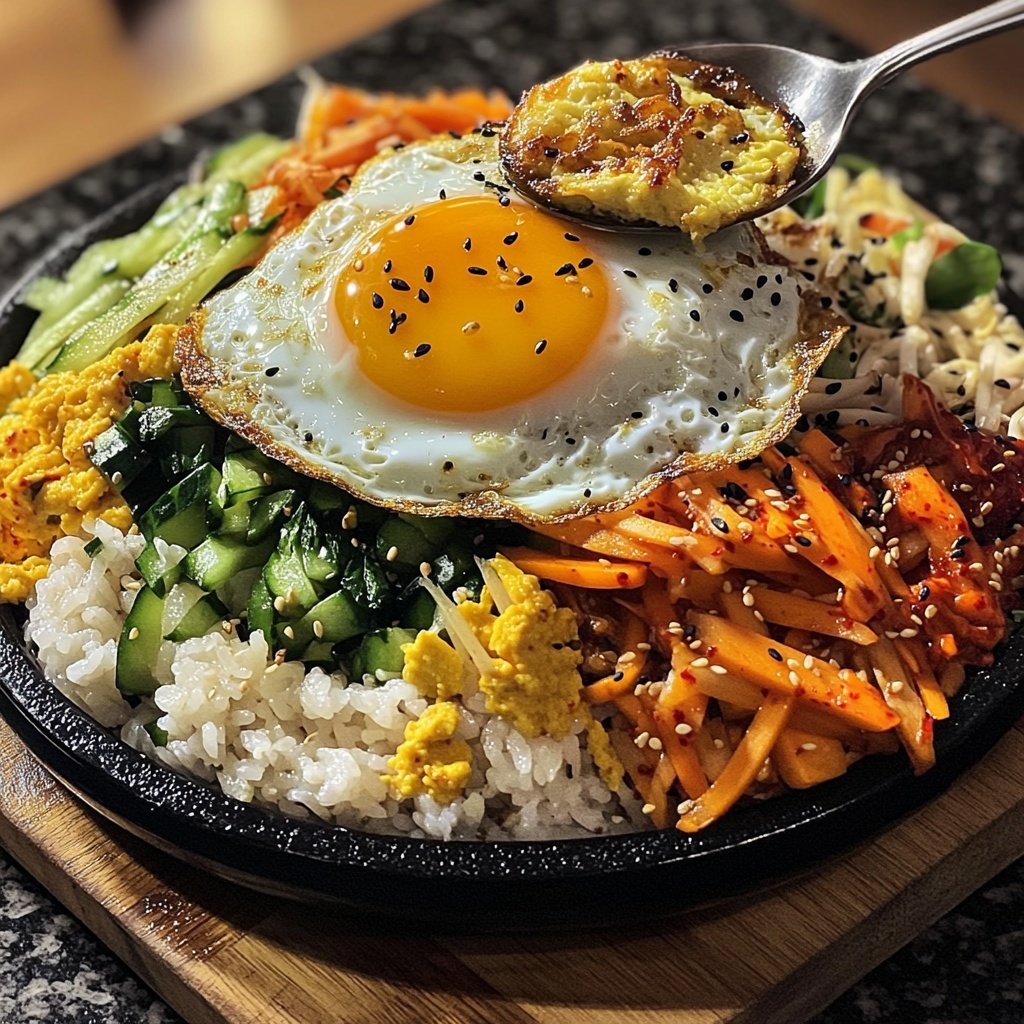
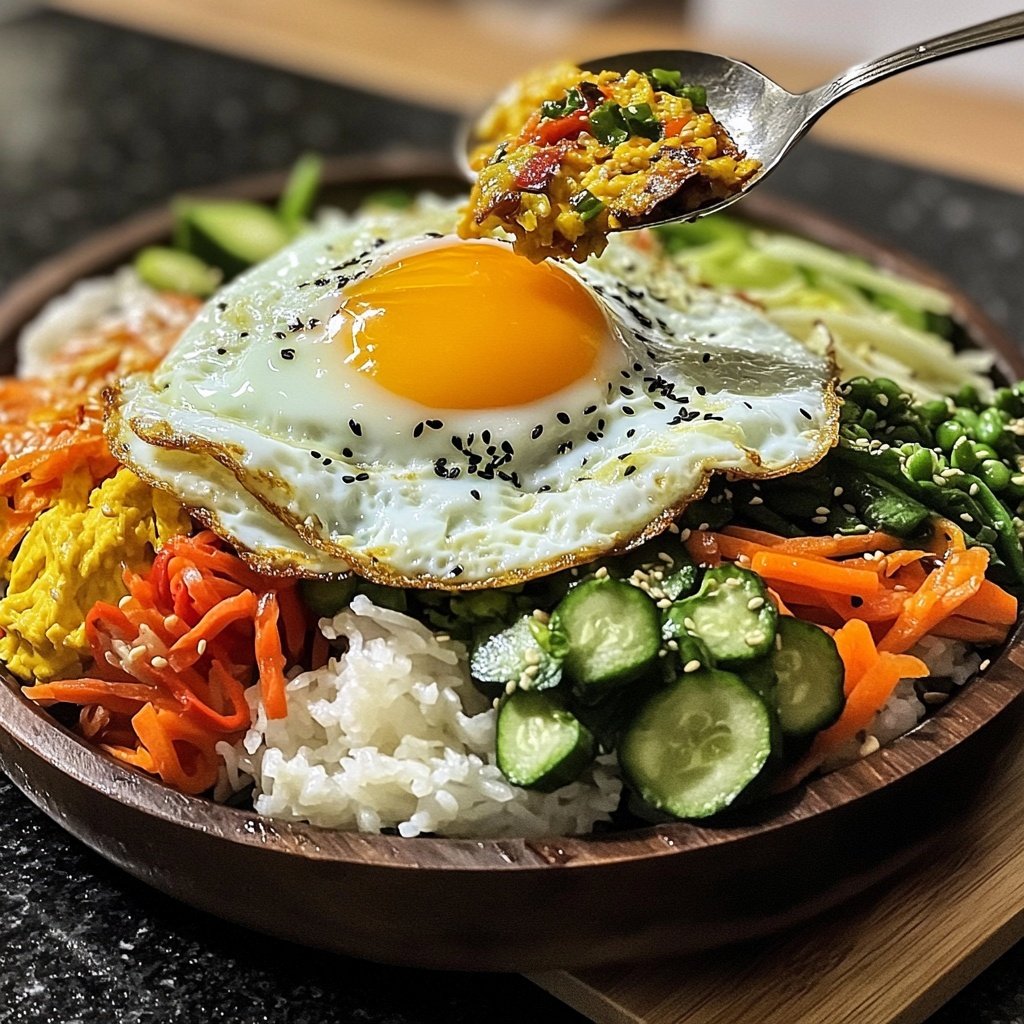
The beauty of bibimbap lies not just in its taste but also in its presentation. The colorful array of vegetables, from bright orange carrots to deep green spinach, makes this dish visually appealing. It serves as a reminder of the importance of using fresh, seasonal ingredients in your cooking. This dish is versatile and can be tailored to suit your dietary preferences, whether you're vegetarian, vegan, or a meat lover.
Customizing Your Bibimbap
One of the best features of bibimbap is its customizability. You can easily swap out vegetables based on what’s in season or your personal favorites. Common additions include bell peppers, radishes, or even kimchi for an extra kick. Protein options are equally flexible; you can choose from marinated beef, grilled chicken, or tofu to suit your taste. This adaptability not only makes bibimbap a crowd-pleaser but also encourages creativity in the kitchen.
When it comes to the sauce, the iconic gochujang can be adjusted to fit your spice tolerance. If you're new to spicy foods, start with a smaller amount and gradually increase it as you get accustomed to the heat. Additionally, you can mix in other condiments like soy sauce or vinegar for a unique twist. The key to a great bibimbap is finding the right balance of flavors that you love.
Serving and Enjoying Bibimbap
When serving bibimbap, it is essential to present it beautifully, as the aesthetics are part of the dining experience. Use a large bowl to arrange your ingredients artfully, ensuring each component is visible. This not only looks enticing but also allows each person to enjoy the individual flavors before they’re mixed. Encourage your guests to dig in and mix everything together just before eating, which promotes a delightful blend of textures and flavors.
Bibimbap is perfect for meal prep, too. The ingredients can be prepared in advance and assembled just before serving, making it an excellent choice for busy weeknights. Each bowl can be customized according to individual preferences, allowing everyone to enjoy their own unique creation. Whether you’re hosting a family dinner or enjoying a quiet night in, bibimbap brings a taste of Korea right to your table.
Ingredients
Ingredients
For the Bibimbap
- 2 cups cooked white rice
- 1 cup spinach, blanched and drained
- 1 cup bean sprouts, blanched
- 1 medium carrot, julienned
- 1 zucchini, julienned
- 4 shiitake mushrooms, sliced
- 2 eggs
- 4 tablespoons gochujang (Korean chili paste)
- 1 tablespoon sesame oil
- 2 tablespoons vegetable oil
- Sesame seeds for garnish
- Green onions, sliced for garnish
Feel free to add or substitute your favorite vegetables or proteins.
Instructions
Instructions
Prepare the Vegetables
Heat a tablespoon of vegetable oil in a skillet over medium heat. Sauté the zucchini and carrots until tender, about 3-4 minutes. Remove and set aside.
Cook the Mushrooms
In the same skillet, add a bit more oil and sauté the shiitake mushrooms until they are soft, about 5 minutes. Remove and set aside.
Fry the Eggs
Fry the eggs sunny-side up in the skillet until the whites are set but the yolks are still runny, about 3 minutes.
Assemble the Bibimbap
In a large bowl, add a portion of rice. Arrange the sautéed vegetables, spinach, and bean sprouts on top. Place the fried egg in the center and drizzle with sesame oil and gochujang. Garnish with sesame seeds and green onions.
Serve
Mix everything together before eating to enjoy all the flavors combined. Serve warm.
Enjoy your homemade Korean Bibimbap!
Pro Tips
- For a vegetarian version, omit the eggs or replace them with tofu. You can also add beef or chicken for extra protein.
Nutritional Benefits
Bibimbap is not only a feast for the eyes but also a powerhouse of nutrition. The variety of vegetables provides essential vitamins and minerals, while the rice serves as a source of energy. The inclusion of healthy fats from sesame oil and protein from eggs or meat enhances the nutritional profile, making it a balanced meal. Eating a diverse range of colorful vegetables can help support overall health and well-being.
Additionally, the use of gochujang, a fermented chili paste, adds probiotics to the dish, promoting gut health. This traditional ingredient is rich in vitamins and has been linked to various health benefits, such as improved digestion and enhanced metabolic rates. By enjoying bibimbap, you're not just indulging in a delicious meal; you're also nourishing your body.
Storage Tips
If you have leftovers, bibimbap can be stored in the refrigerator for up to three days. To keep the ingredients fresh, store the rice and vegetables separately until you're ready to reheat and serve. This will help maintain their texture and flavor. When reheating, add a splash of water to the rice to prevent it from drying out in the microwave or skillet.
For longer storage, consider freezing individual portions. Bibimbap rice and vegetables freeze well, but avoid freezing the fried egg, as it may become rubbery. When you're ready to enjoy your frozen bibimbap, simply thaw it in the refrigerator overnight and reheat before serving. This makes for a quick and convenient meal option on busy days.
Pairing Suggestions
To elevate your bibimbap experience, consider pairing it with traditional Korean side dishes, known as 'banchan.' Options like kimchi, pickled radishes, or seasoned seaweed can complement the flavors of the bibimbap beautifully. These small dishes add variety and enhance the overall dining experience, turning your meal into a delightful feast.
For a beverage pairing, traditional Korean drinks like barley tea or soju can be excellent choices. If you prefer non-alcoholic options, a refreshing iced tea or sparkling water with a hint of lemon can cleanse the palate between bites. Experiment with different pairings to find what best suits your taste and enjoy the full spectrum of flavors that Korean cuisine has to offer.
Questions About Recipes
→ Can I make Bibimbap ahead of time?
Yes, you can prepare the vegetables and rice in advance, but it's best to fry the eggs just before serving.
→ What can I substitute for gochujang?
If you can't find gochujang, a mix of miso paste and chili powder can work as a substitute, though the flavor will be different.
→ Is Bibimbap gluten-free?
Yes, as long as you use gluten-free soy sauce and gochujang, Bibimbap can be gluten-free.
→ Can I add meat to my Bibimbap?
Absolutely! Sliced beef, chicken, or pork are all great additions to enhance your Bibimbap.
Korean Bibimbap
Created by: Elara Kensington
Recipe Type: Cultural Kitchen
Skill Level: Intermediate
Final Quantity: 4 servings
What You'll Need
For the Bibimbap
- 2 cups cooked white rice
- 1 cup spinach, blanched and drained
- 1 cup bean sprouts, blanched
- 1 medium carrot, julienned
- 1 zucchini, julienned
- 4 shiitake mushrooms, sliced
- 2 eggs
- 4 tablespoons gochujang (Korean chili paste)
- 1 tablespoon sesame oil
- 2 tablespoons vegetable oil
- Sesame seeds for garnish
- Green onions, sliced for garnish
How-To Steps
Heat a tablespoon of vegetable oil in a skillet over medium heat. Sauté the zucchini and carrots until tender, about 3-4 minutes. Remove and set aside.
In the same skillet, add a bit more oil and sauté the shiitake mushrooms until they are soft, about 5 minutes. Remove and set aside.
Fry the eggs sunny-side up in the skillet until the whites are set but the yolks are still runny, about 3 minutes.
In a large bowl, add a portion of rice. Arrange the sautéed vegetables, spinach, and bean sprouts on top. Place the fried egg in the center and drizzle with sesame oil and gochujang. Garnish with sesame seeds and green onions.
Mix everything together before eating to enjoy all the flavors combined. Serve warm.
Extra Tips
- For a vegetarian version, omit the eggs or replace them with tofu. You can also add beef or chicken for extra protein.
Nutritional Breakdown (Per Serving)
- Calories: 500 kcal
- Total Fat: 20g
- Saturated Fat: 4g
- Cholesterol: 186mg
- Sodium: 600mg
- Total Carbohydrates: 70g
- Dietary Fiber: 5g
- Sugars: 4g
- Protein: 15g